





- -10%


Lowest price in 30 days:


Zamów do 14:30 a wyślemy dziś

Darmowa dostawa z InPost


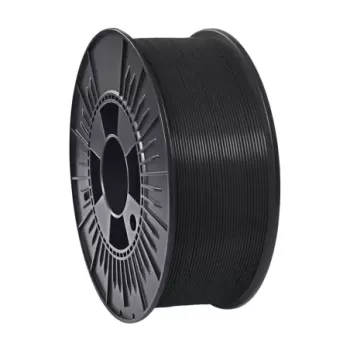
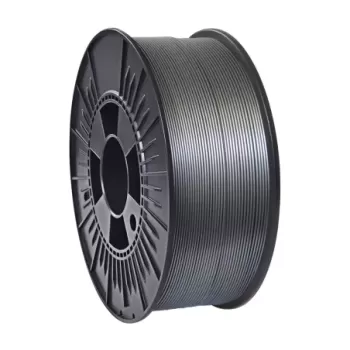
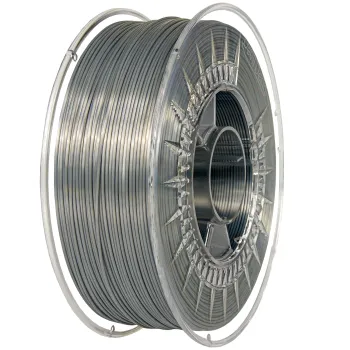
PETG Nebula filament is an excellent material, known for its high transparency and versatility in applications. Used mainly in projects where clarity is required, PET-G offers not only aesthetically pleasing prints, but also exceptional resistance to a variety of chemical and mechanical agents. Its resistance to oils, salts, acids, alkalis and solvents makes it a material that is not only smooth, but also durable. Objects printed from PET-G filament are characterized by excellent smoothness, transparency and glossy surface.
These features make the prints resistant to the effects of light, mechanical damage and the passage of time, making PET-G an ideal choice for thin-walled projects. Availability in a wide range of colors gives users the freedom to choose and customize the color for specific projects. It not only meets aesthetic expectations, but also offers a range of practical properties, making it a popular choice among 3D printing enthusiasts.
The properties of PET-G filament include a printing temperature of 220-240°C, making it compatible with many types of 3D printers. A table temperature of 60-90°C allows for precise maintenance of printing conditions, which translates into quality and durability of prints. Good optical properties, i.e. high transparency, allow the creation of unique designs where clarity is crucial. At the same time, PET-G filament is characterized by good durability, which makes the prints durable and resistant to damage.
An additional advantage of PET-G is its sterilizability, which opens the door to a variety of applications, including in the medical field. In addition, the ability to be approved for food contact makes this filament ideal for printing food-related items, where safety is a key consideration. All in all, PET-G filament is a material that combines aesthetics, durability and application versatility.
Exceptional chemical and mechanical properties make it an excellent choice for projects where clarity and resistance are equally important. Discover the potential of PET-G filament and create prints that meet the highest expectations in terms of quality and functionality.
The Nebula brand was established in response to the growing market demand for high-quality 3D printing filament. More and more companies in various industries are looking for innovative design solutions, and we make it our mission to provide materials that will meet the expectations of the most demanding customers.
Our company has extensive knowledge of the properties of the various materials used in the 3D printing process. We know their behavior during printing, which allows us to offer products of the highest quality. We are ready to share this expertise with our customers, so they can turn to us for help at any time.
We are eager to engage in the process of working with customers to find the best solutions together. Our team of experts is available to provide support and answer any questions about our products or 3D printing technology. We believe in a personalized approach to customers and operate in the spirit of partnership.
The Nebula filament is characterized not only by its high quality, but also by the variety of available materials. We offer filament to suit different needs and applications, allowing customers to experiment with different materials and create innovative designs. Our products are available in a wide range of colors, giving you even more freedom in the creative design process.
We attach great importance to sustainability. We strive to minimize the negative impact of our operations on the environment, both in the production process and in the use of our products themselves. Our filament is environmentally friendly while guaranteeing the highest quality of 3D printing.
In short, Nebula is not just a filament manufacturer, but a partner that supports customers in achieving their goals. We are ready to cooperate, share knowledge and provide the highest quality products to meet even the most demanding expectations of the 3D printing industry.
Data sheet
Specific References

PETG Nebula filament is an excellent material, known for its high transparency and versatility in applications. Used mainly in projects where clarity is required, PET-G offers not only aesthetically pleasing prints, but also exceptional resistance to a variety of chemical and mechanical agents. Its resistance to oils, salts, acids, alkalis and solvents makes it a material that is not only smooth, but also durable. Objects printed from PET-G filament are characterized by excellent smoothness, transparency and glossy surface.